




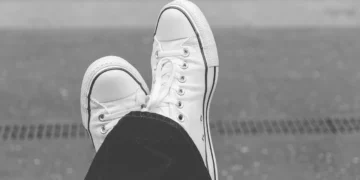








To style streetwear effectively, balance relaxed fits with structured garments, anchoring the outfit around a single focal point and clean footwear. This approach relies on contrasting top and bottom volumes so the overall silhouette looks intentional, combining comfort, utility, and individuality.
The following guide details practical steps for selecting hero pieces, managing proportions, and layering without adding bulk. It also highlights foundational wardrobe items—including heavyweight hoodies, utility trousers, and classic sneakers—and explains how to mix street garments with tailored menswear and balanced color palettes.
How to Style Streetwear: Fits, Layering, and Footwear Rules
To style streetwear effectively, balance relaxed fits with structured pieces, anchored by clean statement sneakers and simple, high-quality base layers. Build outfits around one focal point—such as a graphic hoodie, technical jacket, or wide-leg trousers—and layer with contrasting proportions so your silhouette looks intentional rather than sloppy.
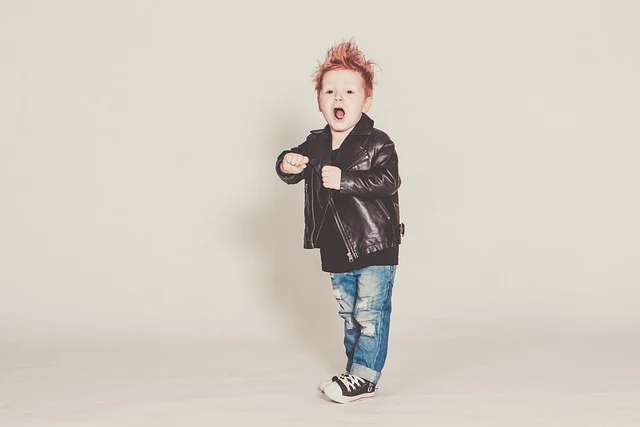
When this topic comes up in practice, the immediate question is often about how to style streetwear without looking like you are trying too hard. As of 2026, streetwear continues its reign as a dominant force in global fashion, celebrated for its fusion of comfort, individuality, and cultural relevance. It is more than just clothing; it is an expression of identity deeply rooted in urban subcultures like hip-hop, skateboarding, and graffiti art.
Understanding how to style streetwear effectively means grasping its core principles: relaxed fits, bold graphics, purposeful layering, and a curated mix of athletic and casual wear. This guide offers practical insights and actionable steps to help you build and refine your personal streetwear aesthetic.
How to style a streetwear outfit in 5 steps
- Select your hero piece: Every streetwear outfit needs a anchor piece. Choose one prominent garment—such as a bold graphic tee, an oversized fleece hoodie, or a technical canvas coat—and keep the rest of the outfit muted to let that item stand out.
- Establish your silhouette through balance: Contrast top and bottom volumes. For example, if you wear wide-leg cargo pants, pair them with a boxy, slightly cropped tee or a fitted top. If you choose an oversized hoodie, opt for slim-relaxed trousers or structured jeans.
- Add depth through visible layers: First, use a longer base tee (peeking out 1–2 inches below your hoodie) or stack an unbuttoned overshirt over a graphic top. Layering creates visual texture and prevents single-color outfits from looking flat.
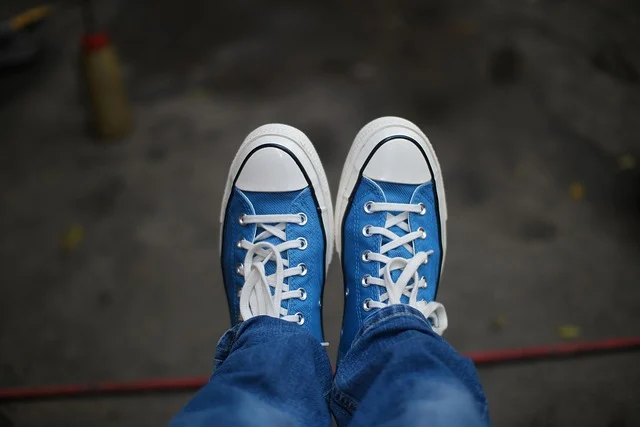
- Anchor the outfit with complementary footwear: Match the sneaker shape to the pant leg width. Slim or tapered pants suit low-top retro runners, while wide-leg trousers require bulkier silhouettes or retro basketball shoes to avoid looking top-heavy.
- Finish with functional accessories: Add a canvas cap, beanie, crossbody bag, or crew socks. Limit your accessories to two or three items so the look remains effortless rather than over-styled.
Where streetwear styling comes from
Streetwear’s journey to international runways explains why comfort and utility remain key to how to style streetwear today. Originating in the late 1970s and 80s with surf and skate culture in California, and heavily shaped by East Coast hip-hop, early streetwear relied on DIY screen-printed tees, durable workwear, and athletic footwear. Later, brands like Stüssy, Supreme, and Adidas built loyalty by reflecting local creative scenes.
Today, streetwear is a multi-billion dollar industry with influence spanning luxury houses and independent workwear labels alike. Modern styling focuses on high-grade textiles, ethical craftsmanship, and subculture historical references rather than conspicuous branding.
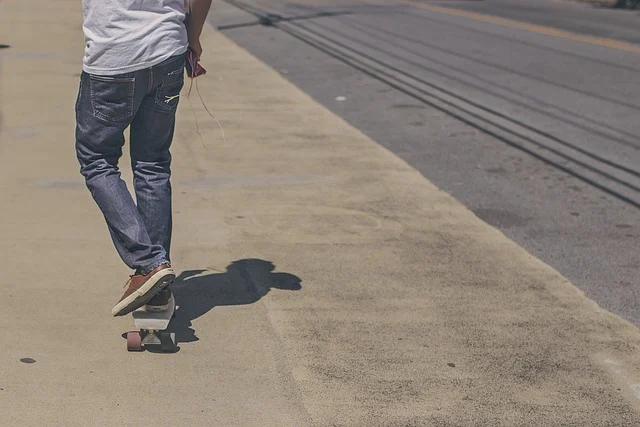
What foundational pieces do you need for streetwear?
A functional streetwear wardrobe relies on versatile core items that layer easily and adapt to changing seasons.

Graphic t-shirts and fleece hoodies
Heavyweight cotton t-shirts (around 200–280 GSM) with drop-shoulder cuts show how to style streetwear as a baseline layer. Look for vintage band artwork, subtle screen-printed typography, or minimal brand insignia. Heavyweight fleece hoodies (350–500 GSM) in muted neutrals—such as gray, off-white, washed black, and earth brown—provide structure and hold their boxy shape when worn under jackets. Brands like Carhartt WIP, Stüssy, and Kith consistently deliver structured hoodies that hold up over time.
Athletic footwear
Sneakers define the lower half of any outfit. Iconic models from Nike (Air Force 1, Dunks, Jordans), Adidas (Superstars, Gazelles), and New Balance remain reliable classics. Also, alternative silhouettes from Asics and Puma offer distinct retro-running shapes. For specific sneaker pairing tips on how to style in streetwear, see Your Guide to Oily Skincare: Balance, Not Strip to match footwear shapes with trouser hems.
Outerwear and utility jackets
Outerwear provides structure to soft fleece and jersey layers. For example, canvas chore jackets, MA-1 flight bomber jackets, denim trucker jackets, and technical parkas offer clean lines. Alpha Industries, Levi’s, and military surplus options bring authentic heavy-duty construction that improves with wear.
Pants and casual bottoms
While classic straight-leg denim works well, modern streetwear leans into utility trousers. Double-knee carpenter pants, loose cargo bottoms, track pants, and wide-leg trousers give outfits distinct lines. Uniqlo provides lightweight technical bottoms, while duck canvas trousers from Carhartt offer heavy texture.
How to balance streetwear proportions and silhouettes
Proportion control separates a considered outfit from sloppy lounge clothing. Loose silhouettes are standard in streetwear, but wearing oversized items across every layer swallows your body frame.
A classic technique pairs a boxy, waist-length jacket or tee with wide-leg canvas pants. The shorter top hem prevents wide pants from shortening your legs visually. Alternatively, pair an oversized hoodie with tapered utility pants to keep volume concentrated up top while preserving clean lines around your footwear.
| Silhouette Style | Top Garment | Bottom Garment | Recommended Footwear | Key Fitting Rule |
|---|---|---|---|---|
| Boxy & Wide | Cropped or waist-length boxy tee/jacket | Wide-leg carpenter pants or denim | Chunky retro runners or classic low-tops | Ensure the top hem falls at or just below the beltline. |
| Top-Heavy Volume | Oversized heavy fleece hoodie or puffer | Slim-relaxed joggers or tapered cargos | Retro basketball high-tops or cupsole sneakers | Avoid ultra-skinny bottoms; keep trousers slim but relaxed. |
| Relaxed Utility | Standard-fit graphic tee under chore jacket | Relaxed double-knee work pants | Durable skate shoes or heavy-sole boots | Let pant legs drape cleanly over the shoe tongue with a single break. |
How do you layer streetwear without looking bulky?
Layering creates visual contrast through fabric textures, hem lengths, and collar arrangements without making you feel hot or restricted.

- Use length drops: Wear a clean white or muted base tee that extends 1 to 2 inches below the bottom hem of your sweatshirt or jacket. This crisp line breaks up monochrome color combinations.
- Mix stiff and soft fabrics: Layer soft cotton fleece hoodies underneath stiff duck canvas jackets or rigid denim coats. The structural contrast keeps the jacket collar sharp while the hood pops cleanly over the collar line.
- Combine lightweight technical outerwear: Combine a light nylon windbreaker over an unbuttoned flannel shirt and graphic tee. This setup adds three distinct color and texture bands while staying breathable.
- Integrate subtle accents: Wear an iconic sneaker that matches the color accent of an inner layer to tie the top and bottom of the outfit together smoothly.
How to mix streetwear with smart and tailored clothing
Combining street garments with tailored menswear creates high-contrast outfits suitable for modern smart-casual environments. However, the core rule is balancing structured formal tailoring with relaxed casual pieces.
Pair tailored trousers with a heavy crewneck sweatshirt and clean leather cupsole sneakers. Alternatively, throw a structured single-breasted wool overcoat over an oversized hoodie, raw denim jeans, and basketball sneakers. The formal coat sharpens the casual hoodie beneath it.
When pairing blazers with streetwear, opt for soft-shouldered, unconstructed blazers in textured wool or cotton twill. Wear them over a crisp, high-neck graphic tee instead of a button-down shirt, finishing with low-profile leather sneakers.
What colors and prints work best together?
Streetwear styling relies heavily on grounding shades mixed with selective color points.
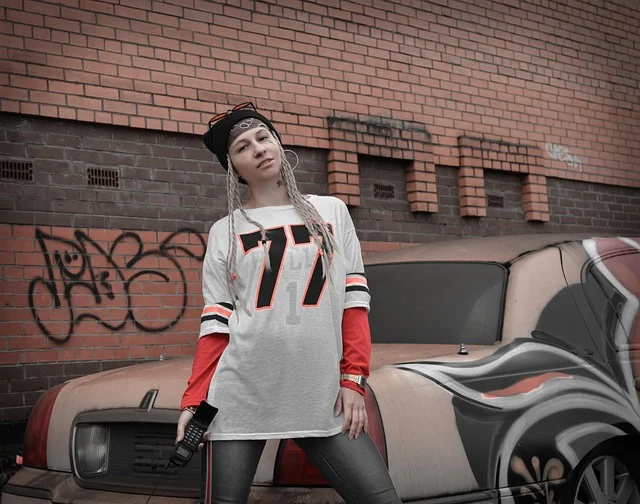
Neutral earth tones—washed black, cream, olive drab, charcoal, and beige—build a flexible closet base. An all-neutral outfit lets fabric texture and silhouette take focus. Learn how to style streetwear by introducing vibrant accents through beanies, sneaker panels, or graphic prints.
When styling graphic prints, combine only one loud print with plain, neutral garments. If your t-shirt has a large back graphic, wear plain canvas bottoms. If your trousers feature camo or checker patterns, keep your upper layers solid and minimal.
Streetwear styling choices by season
Spring and summer adjustments
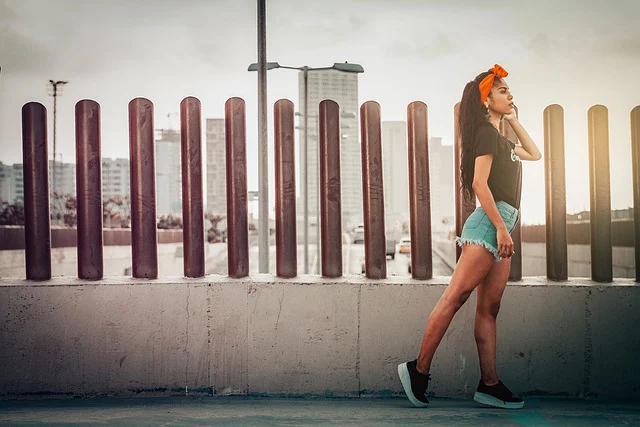
Warm-weather streetwear shifts focus from multi-layer depth to shirt fits, short proportions, and breathable fabrics. Choose heavy cotton tees with a stiff drop-shoulder drape so the shirt holds structure without sticking to your skin. Pair wider mesh basketball shorts or knee-length canvas shorts with crew socks and low-top retro sneakers.
Fall and winter adjustments
Cold weather allows maximum layering options. Heavy fleece hoodies, quilted liner jackets, down puffers, and wool beanies create comfortable winter outfits. Focus on water-resistant shell jackets and heavy lug-sole footwear during wet months.
What are the most common streetwear styling mistakes?
- Wearing too many prominent logos at once: Combining a branded cap, large logo hoodie, branded trousers, and heavy logo sneakers makes an outfit look like a retail advertisement. Instead, keep loud logos restricted to a single garment.
- Ignoring pant leg draping: Letting long, unstructured pant legs puddle excessively over your shoes hides your footwear shape and makes you look shorter. Hem or cuff trousers so they sit neatly on top of the sneaker collar.
- Neglecting footwear care: Dirty, scuffed canvas or neglected leather sneakers drag down an otherwise well-planned outfit. Clean midsoles and swap out dirty laces regularly.
- Chasing short-lived trends blindly: Buying fleeting viral items without considering if they match your existing wardrobe leads to cluttered closets and disjointed outfits. So, stick to garments that align with your personal aesthetic.
Why authenticity matters in streetwear styling
Streetwear emerged from real communities and subcultures that value genuine creative expression over trend chasing. Style choices carry more weight when they reflect your actual interests—whether that is skate culture, vintage sportswear, hip-hop history, or fine art graphics.
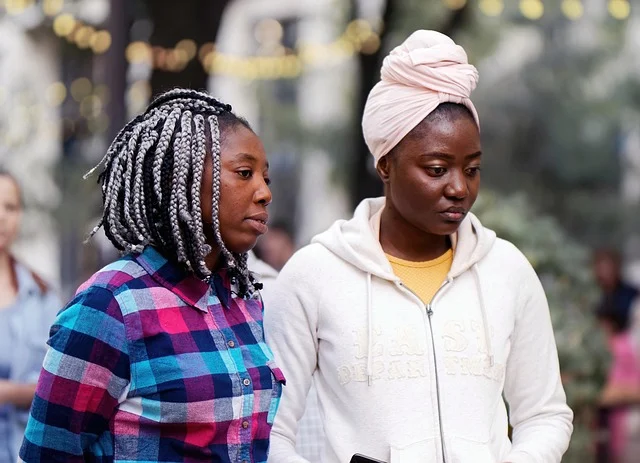
Developing a personal style means selecting pieces that suit your daily routines and comfort preferences. Also, independent labels and vintage garments offer unique histories and worn-in textures that mass-market clothing cannot replicate.
Building a sustainable closet with durable, high-GSM garments and vintage finds reduces clothing waste. As reported by the Global Fashion Agenda in 2026, sustainable purchasing practices are central to modern fashion. Investing in versatile, well-made workwear and classic sneaker silhouettes ensures your clothes remain stylish year after year.
Sources: Streetwear
Frequently asked questions
What are the core elements of streetwear?
The core elements include comfortable, relaxed-fitting garments, graphic prints, athletic sneakers, and functional outerwear rooted in skate, hip-hop, and workwear cultures. Key items consist of heavy graphic tees, fleece hoodies, utility pants, and clean athletic footwear.
How can I style streetwear on a budget?
First, focus your budget on versatile basics like neutral heavy cotton tees and solid hoodies from affordable brands. Next, shop vintage and thrift stores for authentic worn-in denim, canvas work jackets, and unique graphic tees, saving your main budget for one quality pair of everyday sneakers.
How do I combine streetwear with formal clothing?
For example, contrast casual elements with tailored structure. Wear an unconstructed blazer over a plain high-neck t-shirt with tailored trousers and clean low-top sneakers, or layer a long wool trench coat over a fleece hoodie and structured jeans.
How important are brand names when styling streetwear?
Garment fit, color balance, and proportion are far more important than brand logos. While heritage brands hold cultural significance, modern streetwear styling emphasizes understated design, garment construction, and personal confidence over visible branding.


