




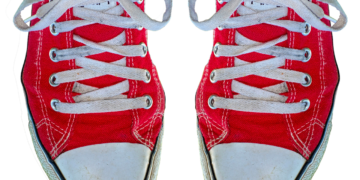








Streetwear is a distinct apparel genre rooted in skate, surf, and hip-hop subcultures, defined by specific branded garments like hoodies, graphic tees, and limited-edition sneakers. In contrast, street style is not a category of clothing but an individual method of dressing, where people combine varied clothing items—ranging from vintage thrift finds to high-fashion garments—into unique personal outfits.
What is the core difference between street style and streetwear?
While street style and streetwear both flourish in urban environments, they function on entirely different fashion principles. Streetwear represents a subcultural dress code defined by explicit product categories, brand loyalties, graphic iconography, and shared subcultural markers. When you wear a streetwear item, you are participating in a recognized subculture with established heritage and community norms.
Street style, on the other hand, describes individual sartorial expression captured in public spaces. It is an approach to styling rather than a retail category. Someone practicing street style might incorporate streetwear garments, but they might equally combine a tailored wool trench coat, deadstock military surplus trousers, and handmade accessories. Streetwear is defined by what you buy; street style is defined by how you assemble what you wear.
Understanding this distinction prevents mistaking brand consumption for personal style. Wearing a head-to-toe branded streetwear look displays allegiance to a specific brand or movement, whereas street style demonstrates personal curation, creative proportions, and individual confidence regardless of logo visibility.
How did streetwear evolve into a global subculture?
Streetwear originated in the late 20th century from the intersection of Southern California surf culture, New York skateboard subcultures, and East and West Coast hip-hop movements. Early adopters required durable, comfortable, and affordable clothing that accommodated physical movement while expressing anti-establishment attitudes. Heavyweight cotton graphic t-shirts, relaxed hoodies, practical workwear jackets, and flat-soled skate shoes formed the original uniform.

Pioneering labels like Stüssy, Supreme, and A Bathing Ape (BAPE) established the commercial foundation of streetwear. These brands shifted clothing from simple functional gear into cultural currency by employing limited production runs, exclusive retail drops, and recognizable visual graphics. This strategy created scarcity, brand allegiance, and an insider knowledge base among followers. According to a 2026 report by Edited, the resale market for highly sought-after streetwear items continues to grow, demonstrating its enduring appeal and collector status.
As streetwear expanded globally, high fashion houses integrated its silhouettes and marketing strategies. Modern luxury streetwear brands like Off-White, Fear of God, and Kith bridged the space between athletic sportswear and high fashion. Understanding this history helps clarify how limited drops, vintage graphics, and subcultural heritage contribute to genuine streetwear culture.
What defines street style as a fashion movement?
Street style emerged independently of specific retail brands, rooted in candid street photography that documented how real people dressed outside traditional fashion shows. Photographers like Bill Cunningham in New York, Scott Schuman (The Sartorialist), and Tommy Ton refocused fashion attention from controlled runway presentations to practical everyday self-expression. Street style captures how individuals interpret global fashion trends, historical subcultures, and local climate realities on city streets.
The defining characteristic of street style is creative liberty. There are no mandatory brand logos, prescribed color palettes, or standard garment combinations. A street style look might pair an unbranded thrifted leather jacket with bespoke tailored trousers and vintage athletic shoes. The focus lies in unexpected combinations, structural proportions, and authentic personal flair rather than price points or brand hype.
Because street style is dynamic and unconstrained by retail seasons, it frequently serves as an inspiration source for runway designers. Fashion houses observe how street style figures layer textures, adjust garment proportions, and reinterpret vintage apparel, feeding those candid urban insights back into future commercial collections.
Street style vs. streetwear: key criteria compared
To choose between these approaches or blend them effectively, examine how they differ across essential criteria:
| Criterion | Streetwear | Street Style |
|---|---|---|
| Primary Ethos | Subcultural identity, brand community, drop exclusivity | Individual self-expression, eclectic curation, visual storytelling |
| Core Garments | Graphic tees, hoodies, cargo pants, sneakers, caps | Unrestricted: high fashion, vintage, workwear, tailored garments |
| Brand Dependency | High; logos and brand heritage often drive value | Low; focuses on silhouette, texture, and execution over labels |
| Acquisition Method | Scheduled brand drops, specialized boutiques, resale sites | Thrift stores, vintage markets, high-end tailors, mixed retail |
| Sizing & Silhouette | Predominantly relaxed, boxy, and oversized utility cuts | Variable; structural contrast between tight, fluid, and oversized |
| Cultural Drivers | Skate, surf, hip-hop, sportswear, artist collaborations | Personal history, regional climate, art, global street culture |
Brand allegiance versus personal curation
Streetwear relies heavily on recognized brand iconography. A logo-embroidered hoodie or a specific sneaker silhouette acts as a signal of cultural awareness within a shared community. In contrast, street style de-emphasizes brand tags. The strength of a street style look comes from how distinct elements work together—visual harmony, unexpected contrast, or tailored fit—rather than who manufactured the piece.
Uniformity versus individual experimentation
Streetwear often operates as a shared subcultural uniform. While individuals can style streetwear uniquely, the foundation rests on familiar garment archetypes like graphic t-shirts and oversized outerwear. Street style prioritizes experimentation over uniformity. It encourages breaking conventional style guidelines, such as pairing evening wear with utilitarian boots or mixing opposing patterns.
How do you build an authentic streetwear wardrobe?
If you prefer the structured heritage and casual comfort of streetwear, focus on foundational garments rather than chasing every high-hype drop. A versatile streetwear collection relies on quality materials, proper proportions, and authentic cultural roots.

- Invest in heavyweight core fleece: Look for hoodies and sweatshirts crafted from 400 GSM (grams per square meter) or higher loopback cotton. A structured, heavy hoodie maintains its silhouette better than thin fabric alternatives.
- Select graphic tees with intention: Choose t-shirts featuring authentic brand heritage, independent artists, or meaningful subcultural references rather than generic mass-market prints.
- Choose functional utility bottoms: Incorporate well-built cargo trousers, heavyweight raw denim, or durable canvas work pants with relaxed or straight-leg cuts.
- Anchor outfits with iconic footwear: Classic sneaker silhouettes provide the foundation for streetwear. Focus on timeless models that match multiple colorways rather than overly complex seasonal designs.
- Layer technical outerwear: Combine canvas jackets, puffer vests, or technical shells to add dimension. According to Highsnobiety’s 2025 trend report, the integration of technical fabrics and functional outerwear is a significant ongoing trend in luxury streetwear.
When purchasing limited items, verify authenticity by buying directly from authorized brand retailers or established resale platforms with physical verification processes. Avoid buying counterfeit goods, as synthetic materials degrade quickly and lack the structural weight essential to streetwear silhouettes.
How do you cultivate personal street style?
Developing personal street style requires deliberate experimentation with garment shapes, textures, and historical references rather than following a pre-set shopping list.
- Identify your aesthetic anchors: Determine which sartorial references resonate with you, such as 1970s tailoring, 1990s grunge, military utilitarianism, or minimalist workwear. Build your outfit base around these themes.
- Experiment with proportions and volume: Pair exaggerated or oversized garments with fitted items. For example, balance an oversized vintage leather coat with slim trousers, or combine wide-leg pleated pants with a structured cropped jacket.
- Mix high and low sources: Combine accessible thrift finds or vintage market discoveries with well-made designer items or custom alterations. Mixing price points produces an authentic look that cannot be duplicated off a store mannequin.
- Prioritize fit through tailoring: Tailoring inexpensive or secondhand garments transforms how they sit on your frame. Adjusting hem lengths, sleeve widths, or trouser rises creates a polished silhouette.
- Incorporate distinct accessories: Accent your outfits with vintage scarves, structural headwear, functional bags, or unique jewelry to make common garments feel deeply personal.
For those in the UK and Europe looking for unique pieces, exploring vintage markets in Shoreditch or Brick Lane in London, or independent designer boutiques across Europe, can yield treasures that bridge the gap between streetwear’s urban edge and street style’s personal narrative.
How do street style and streetwear intersect?
Streetwear and street style are not mutually exclusive; modern urban fashion thrives where they cross paths. Streetwear provides iconic, high-quality individual garments, while street style provides the creative framework for wearing them in non-traditional ways.
For example, you might anchor an outfit with a rare streetwear sneaker or branded hoodie (streetwear), but pair it with a vintage tailored overcoat, custom pleated trousers, and thrifted accessories (street style). This high-low balance prevents an outfit from feeling like a rigid brand advertisement while preserving the subcultural energy of streetwear.
Fashion photographers routinely document show attendees who blend designer streetwear jackets over vintage dresses or wear graphic tees beneath bespoke suiting. This intersection demonstrates that authentic style comes from creative synthesis rather than rigid categorization.
Common style mistakes and how to fix them
Both streetwear enthusiasts and street style practitioners frequently run into common styling errors that disrupt their intended aesthetic.

Streetwear mistakes
- Over-branding in a single outfit: Wearing multiple bold logos from competing brands creates visual noise and looks like a retail display rather than a thought-out outfit. Stick to one focal branded piece per look.
- Chasing hype over fit: Buying an expensive drop in the wrong size simply because it is rare leads to unflattering proportions. A well-fitting standard tee always looks better than an ill-fitting hype piece.
- Ignoring garment quality: Prioritizing brand names over fabric composition often results in thin, poorly constructed garments that lose shape after a few washes. Check fabric weight and stitching details before buying.
Street style mistakes
- Over-accessorizing: Adding too many statement pieces—such as complex hats, heavy chains, patterned scarves, and eccentric footwear—clutters the silhouette. Select one or two focal points per outfit.
- Copying social media templates: Replicating exact outfit combinations from fashion influencers neglects your own body shape, climate, and personal lifestyle needs. Use online photos for inspiration, not strict replication.
- Sacrificing functional comfort: Wearing restrictive or weather-inappropriate clothing for visual impact leads to discomfort. Genuine street style always appears relaxed and wearable.
Who each approach suits best
Choosing whether to focus on streetwear, street style, or a hybrid depends on your lifestyle, preferences, and aesthetic goals.
Streetwear is best for you if: You love subcultural history, sneaker design, brand narratives, and casual comfort. It suits people who appreciate relaxed cuts, heavy cotton fabrics, graphic design, and connecting with a global community of collectors and brand enthusiasts.
Street style is best for you if: You prefer individual creative expression over brand loyalty. It suits people who enjoy thrifting, altering clothes, mixing historical eras, and dressing outside predictable trend cycles without needing specific brand validation.
Neither suits you if: You prefer conservative, formal business wear, traditional minimalist capsules without visual variation, or rigid dress codes that prohibit casual or experimental elements.
Frequently asked questions
Is all streetwear considered street style?
Not necessarily. While streetwear is a significant component of urban fashion and often observed as street style, street style is a broader category that encompasses far more than just branded streetwear items. Street style is about the individual’s unique expression, which may or may not include streetwear.
Can street style be expensive?
Street style can range from very affordable, focusing on thrifted or DIY items, to highly expensive, incorporating luxury designer pieces. The cost is not the defining factor; rather, it’s the personal curation and how the individual puts the pieces together to express themselves.
What are the most popular streetwear brands?
Brands like Supreme, Palace, Fear of God, Kith, and emerging labels focusing on sustainable luxury streetwear continue to hold significant influence. Collaborations remain a major driver of hype and desirability in the streetwear market.
How do I find my personal street style?
Explore various fashion influences, experiment with different clothing items and combinations, pay attention to what makes you feel confident and comfortable, and don’t be afraid to mix and match. Create mood boards and analyze what resonates with you aesthetically.
What is the difference between urban fashion and streetwear?
Streetwear is a specific subgenre of urban fashion. Urban fashion is a broader umbrella term that includes streetwear, but also encompasses other styles influenced by city life, such as certain aspects of hip-hop fashion, grunge, or avant-garde styles that emerge from city dwellers.
Is vintage clothing part of street style?
Absolutely. Vintage clothing is a cornerstone of many street styles, offering unique pieces with history and character that allow for a distinct personal expression, setting individuals apart from mass-market trends.


