





Emerald Diamond: A Cut Above the Rest?
Forget the blinding fire of a round brilliant for a moment. When you think of a diamond, what comes to mind? Most likely, it’s that dazzling, multi-faceted sparkle. But what if you’re after something with more architectural grace, a stone that whispers sophistication rather than shouts it? Enter the emerald diamond. With its clean lines and hall-of-mirrors effect, this iconic step cut offers a different kind of beauty, one that’s captivated jewelry lovers for centuries.
Last updated: April 22, 2026
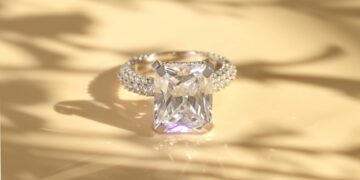
The emerald cut diamond is defined by its large, open facets, cropped corners, and rectangular or square shape. Unlike brilliant cuts designed to maximize sparkle, the emerald cut emphasizes clarity and a sophisticated, geometric aesthetic. It’s a choice for those who appreciate understated elegance and a unique presence in their jewelry.
What Exactly is an Emerald Cut Diamond?
An emerald diamond is a specific type of diamond cut characterized by its rectangular shape and a series of parallel, step-like facets that run along its length. Think of it like a staircase inside the stone. This “step cut” is quite different from the “brilliant cut” found in most round diamonds — which feature many more facets arranged to maximize light reflection and sparkle. The emerald cut, with fewer facets (typically 50-58, compared to 57-58 for a round brilliant), focuses on revealing the diamond’s inherent clarity and color rather than its brilliance. The corners are almost always beveled or truncated to prevent chipping.
The GIA (Gemological Institute of America) classifies the emerald cut as a “fancy shape,” meaning it’s not round. It originated from the cutting style used for emeralds themselves, a gemstone known for its tendency to fracture, necessitating a simpler, more strong cut.
The Allure of the Step Cut
So, why choose an emerald cut over a more popular shape like a round brilliant or a princess cut? It all comes down to preference and what you value in a gemstone. The step cut creates a unique optical effect. Instead of scattering light into a thousand tiny flashes, it produces broader, more dramatic flashes of light and shadow. This creates a “hall of mirrors” effect — where you can see deep into the stone. It’s a mesmerizing, almost hypnotic quality that many find incredibly appealing. According to the American Gem Society, this cut can make a diamond appear larger for its carat weight due to its elongated shape and shallower depth.
This cut also tends to showcase color beautifully. If you’re looking at a diamond with a slight yellow or brown tint (lower on the color scale), an emerald cut might make it appear more noticeable than a brilliant cut would. Conversely, it can make a diamond with excellent color and clarity look exceptionally pure and chic.
Pros and Cons: Is an Emerald Diamond Right for You?
Like any choice in jewelry, the emerald cut has its advantages and disadvantages. Understanding these can help you make an informed decision.
The Upside:
- Elegance and Sophistication: The geometric lines and hall-of-mirrors effect lend an air of timeless elegance. It’s a favorite among celebrities and royalty for a reason.
- Appears Larger: The elongated shape can create the illusion of a larger stone. A 2-carat emerald cut can often look more substantial than a 2-carat round brilliant.
- Showcases Clarity: Because the large facets reveal so much of the stone’s interior, an emerald cut looks best with very high clarity grades. If you have a near-flawless diamond, this cut will make it shine.
- More Affordable (Potentially): Generally, emerald cuts can be less expensive per carat than round brilliant diamonds of comparable quality. Here’s partly Because less rough diamond material is wasted during the cutting process, and demand is historically lower than for round cuts.
The Downside:
- Highlights Inclusions: The large, open facets that showcase clarity also make it easy to spot imperfections (inclusions). This means you’ll likely want to aim for a higher clarity grade, such as VS1 or VVS2, to ensure the stone looks clean to the naked eye.
- More Prone to Chipping: The beveled corners, while protecting against breakage, are still the diamond’s most vulnerable points. It’s Key to set an emerald cut diamond in a protective setting, like a halo or a bezel setting.
- Less Sparkle: If you crave that intense, fiery sparkle, the emerald cut might disappoint. Its beauty lies in its subtle flashes and reflections, not in dispersed brilliance.
- Color Can Be More Apparent: Lower color grades might be more noticeable in an emerald cut. You’ll want to focus on diamonds with a color grade of G or higher for a near-colorless appearance.
Key Factors When Buying an Emerald Diamond
When you’re ready to buy an emerald diamond, keep these factors in mind. They’re Key for getting the most beauty and value for your money.
Cut Quality: More Than Just Shape
While “cut” refers to the shape for fancy diamonds, the quality of the cut is still really important. For an emerald cut, you’re looking for precise facet alignment and proportion. The ideal length-to-width ratio is often debated, but many prefer a ratio between 1.35 and 1.50. This provides an elongated look without being too skinny. A ratio of 1.0 would make it square.
Look for symmetry in the facet patterns. A poorly cut emerald diamond can appear dull or have a “window” effect – a transparent area that lets light pass straight through instead of reflecting it back to your eye. According to research by the GIA, the proportions of a diamond’s cut impact its brilliance, fire, and scintillation, even for step cuts like the emerald.
Clarity: Aiming for Eye-Clean
As mentioned, inclusions are more visible in emerald cuts. The goal is an “eye-clean” diamond, meaning no inclusions are visible to the naked eye from a normal viewing distance. For emerald cuts, this usually means aiming for a clarity grade of VS1 or VS2. You might get away with SI1 if the inclusions are small and white and located near the edges, but it’s a risk. VVS (Very, Very Slightly Included) grades offer supreme clarity but come at a premium price.
Color: Stick to Near-Colorless
To avoid any hint of yellow or brown, it’s best to stick with diamonds in the G to J color range according to the GIA color grading scale. This range is considered “near-colorless” and will appear white face-up. K, L, or M colors might start showing a noticeable yellowish tint, especially in an emerald cut. For those seeking the ultimate icy white, D-F grades are “colorless” but more expensive.
Carat Weight: The Illusion of Size
The emerald cut’s shape can make it appear larger than other cuts of the same carat weight. A 2-carat emerald cut might look as big as a 2.5-carat round brilliant. Consider this when setting your budget. You can often achieve a visually impressive size without necessarily going for the highest carat weights — which drive up prices exponentially.
Setting Your Emerald Diamond: Protection is Key
The choice of setting isn’t just about aesthetics. it’s about protecting your investment. Because the corners of an emerald cut are susceptible to chipping, certain settings are highly recommended.
- Halo Setting: Surrounding the center emerald diamond with smaller pavé or micro-pavé diamonds not only adds sparkle and makes the center stone appear larger but also protects its edges.
- Bezel Setting: This setting involves a thin metal rim that completely encircles the diamond, providing maximum protection for the edges and corners. It offers a sleek, modern look.
- Prong Setting (with care): If you love the classic look of a prong setting, opt for settings with at least 4 prongs, and consider “protective” prongs that slightly cup the corners. Platinum or 14k gold are common choices.
Avoid settings that leave the corners completely exposed, especially for everyday wear. The setting should complement the diamond’s shape while offering strong protection.
Emerald Diamond Price: What to Expect
The price of an emerald diamond is influenced by the same 4 Cs as any other diamond: Carat, Cut, Color, and Clarity. However, the demand for emerald cuts is generally lower than for round brilliants — which can make them more budget-friendly on a per-carat basis, assuming all other factors are equal. For example, according to industry pricing data from 2023, a 1-carat, G color, VS1 clarity emerald cut diamond might typically range from $5,000 to $8,000, whereas a comparable round brilliant could easily cost $7,000 to $10,000 or more.
Remember, these are just estimates. The exact emerald diamond price can vary based on the specific characteristics and the retailer. Always compare prices from reputable jewelers.
Famous Emerald Cut Diamonds
The emerald cut has a rich history and has graced some of the most famous jewels in the world. The iconic “Tiffany Yellow Diamond,” weighing a stunning 128.54 carats, is a prime example of the emerald cut’s grandeur. Another notable stone is the “JFK Emerald Cut Diamond,” a 2.29-carat diamond gifted by Aristotle Onassis to Jacqueline Kennedy. These famous stones highlight the enduring appeal and regal nature of the emerald cut.
Frequently Asked Questions
Are emerald cut diamonds more expensive?
Generally, emerald cut diamonds are less expensive per carat than round brilliant diamonds of similar quality. That’s because the cutting process is simpler and there’s less loss of rough diamond material, along with historically lower demand compared to round cuts.
Are emerald cut diamonds less sparkly?
Yes, they’re less sparkly in terms of fire and brilliance compared to brilliant cuts. Emerald cuts showcase broader flashes of light and shadow, creating a “hall of mirrors” effect rather than intense scintillation.
What clarity grade is best for an emerald cut diamond?
For an eye-clean appearance, VS1 or VS2 clarity grades are typically recommended for emerald cut diamonds, as their large facets make inclusions more visible.
Do emerald cut diamonds chip easily?
The beveled corners of an emerald cut are its most vulnerable points and can be more prone to chipping than the facets of a brilliant cut. Protective settings are highly recommended.
Is an emerald cut diamond a good choice for an engagement ring?
Absolutely, an emerald cut diamond makes a sophisticated and unique choice for an engagement ring, provided it’s set in a protective setting to guard its corners.
The Verdict: Embrace the Emerald
The emerald diamond isn’t just a diamond shape. it’s a statement. It speaks to a refined taste, an appreciation for history, and a desire for something distinctly elegant. While it may not possess the dazzling fire of a round brilliant, its cool, sophisticated glow and architectural beauty are captivating in their own right. If you’re looking for a diamond that stands out for its unique character and timeless appeal, the emerald cut is a choice you won’t regret. Just remember to prioritize clarity and protect those corners!